



As we step into 2026, the digital landscape continues to evolve with unprecedented speed, particularly within the gaming industry. At the forefront of this revolution is the concept of 'inplay' gaming. This term, often a beacon for enthusiasts on English gaming websites, encapsulates the shift towards real-time interaction and engagement amongst players and spectators alike.
The roots of 'inplay' gaming can be traced back to the early 2020s, but recent technological advancements have propelled it into the mainstream. Platforms now not only allow for live play but also incorporate features that enable dynamic interaction between the audience and players. This evolution is fostering more robust and vibrant communities around gaming, marking a significant departure from the passive consumption models of the past.
Commentators note that the rise of 'inplay' functionalities has revitalized classic games while simultaneously giving birth to new genres specifically designed for interaction. This has sparked debates within the industry, with purists questioning if these technological enhancements undermine the traditional gaming experience or elevate it to an art form through deeper engagement.
At the core of these changes is the improved technology that powers these platforms. The advent of faster internet speeds, mobile accessibility, and virtual reality (VR) has made it possible for gamers to enjoy seamless experiences regardless of geographic location. Moreover, the incorporation of artificial intelligence (AI) that adapts live to audience feedback has added a layer of personalized interaction previously unseen.
Recent reports suggest that community-centric platforms like these are starting to influence broader social dynamics. From fostering friendships across borders to providing safe spaces for discussions on various social issues, the scope of impact is significant. More than just entertainment, gaming under the 'inplay' umbrella is becoming a conduit for cultural exchange and social cohesion.
As with any rapidly evolving sector, challenges remain. Ensuring safe online environments and addressing cyberbullying are pressing concerns for developers and community managers. As the industry continues to address these hurdles, the success of 'inplay' platforms could serve as a blueprint for other sectors aiming to harness the power of real-time interactive technologies.
Looking ahead, the trajectory of gaming intertwined with 'inplay' elements seems promising. It stands as a testament to the enduring human desire for connection, creativity, and competition—qualities that will undoubtedly push the boundaries of what we currently understand as gaming.

Explore how 'Inplay' has reshaped the British gaming scene in 2026, reflecting broader industry trends and technological advancements.
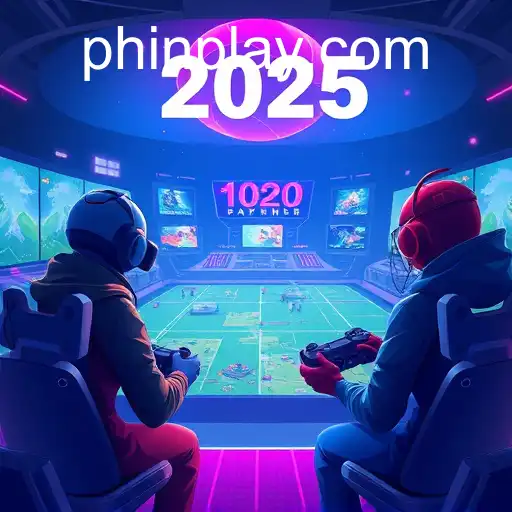
InPlay continues to lead the charge in transforming online gaming, blending innovation with real-time experiences.

Explore how 'Inplay' is shaping the future of online gaming with advancements in technology and user dynamics in 2025.

Exploring the latest trends and developments in the online gaming industry, focusing on the revolutionary impact of Inplay in 2025.

Exploring the rapid advancements in the online gaming industry and how platforms like Inplay are shaping the digital entertainment landscape in 2025.

Exploring the transformative impact of inplay features on online gaming platforms in 2025.
